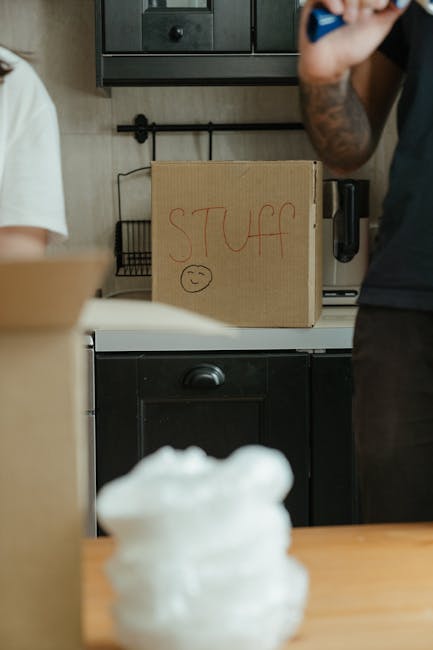
Walthamstow Market flat move guide removals and packing
Moving out of a flat near Walthamstow Market can feel oddly simple on paper and surprisingly awkward in real life. There are stairs, tight entrances, busy pavement traffic, lift bookings, parking worries, and the classic last-minute discovery that your kettle is somehow already packed. This Walthamstow Market flat move guide removals and packing is here to make the whole thing feel manageable, whether you are shifting a studio, a split-level flat, or a family home a few streets away.
The aim is practical, not fluffy. You will find a clear way to plan the move, pack with less stress, avoid the common traps, and decide when a professional removals service or packing help makes sense. If you are moving around East London, especially in a busy local area where timing matters and access can be a bit of a faff, the details really do help.
Truth be told, most stressful moves are not caused by the big furniture. They are caused by small things: no boxes for lampshades, no plan for bedding, no idea where the fragile stuff should go. Let's sort that out.
Why Walthamstow Market flat move guide removals and packing Matters
Flat moves around Walthamstow Market come with their own rhythm. The streets can be busy, parking can be tight, and access from the road to the front door may be shorter than expected, but more awkward than you would like. One awkward lift, one narrow staircase, one neighbour's pram in the hall, and suddenly a "simple" move takes on a life of its own.
That is why a proper move guide matters. Not because packing is complicated in theory, but because the order of packing and removals matters a lot in practice. If you pack room by room, label properly, and plan the loading sequence with access in mind, moving day feels calmer. If you do not, well, the sofa may leave before the mattress, and your mugs could end up in the same box as the Wi-Fi router. Not ideal.
For flats, especially in and around a market area, the biggest pressure points are usually:
- Access: stairs, lifts, loading bays, shared hallways, and awkward turning points.
- Timing: avoiding the busiest periods around the market and local traffic.
- Parking: making sure the van can stop close enough to keep the walk short.
- Packaging: using the right boxes and wrapping so items survive the move intact.
- Building rules: some blocks have move-in or move-out rules, lift booking systems, or noise expectations.
The better you prepare, the less likely you are to spend the first evening digging for toothbrushes while standing in a corridor surrounded by boxes. That bit, nobody enjoys.
How Walthamstow Market flat move guide removals and packing Works
At its simplest, the process has three stages: prepare, pack, and move. But if you want it to go well, each stage needs a bit of thought.
1. Prepare the flat and the route
Before anything gets boxed up, look at the move from the van's point of view. Where will it stop? How far is the carry from the flat to the kerb? Are there any tight corners, low ceilings, or shared doorways that will slow things down? In a busy East London spot, these details matter more than people expect. A professional crew will usually want to know about stairs, lift access, parking restrictions, and whether there are any bulky items such as wardrobes, beds, or bookcases.
2. Pack by priority, not by panic
The best packing system is usually the boring one. Start with non-essentials, then work toward daily-use items, and leave a separate survival box for the last night and first morning. That means sheets, chargers, kettle, basic toiletries, pet supplies if needed, and a change of clothes should be easy to reach. If you have ever opened five identical boxes hunting for teabags, you will know why this matters.
3. Match the removals method to the property
A one-bed flat with limited access might suit a small removals service or a man and van arrangement. A larger flat with heavier furniture may need a full flat removals solution. If you are moving locally, a local removals option is often more practical than a one-size-fits-all approach.
There is no magic trick here, really. Good moving is mostly good sequencing. The fancy part comes later, when you are sitting down with a mug in your new kitchen and thinking, "Actually, that was not as bad as I feared."
Key Benefits and Practical Advantages
Done properly, a structured removals and packing plan gives you more than convenience. It reduces risk, saves time, and cuts down on decision fatigue, which is often the real enemy on moving day.
- Less breakage: the right packing materials and proper labelling protect fragile items.
- Faster loading and unloading: organised boxes and a clear route mean less waiting around.
- Lower stress: you know where essentials are and what happens next.
- Better use of space: vans load more efficiently when boxes are stacked and grouped sensibly.
- Fewer surprises: access issues, parking, and building restrictions are easier to handle when you plan early.
There is also a very real financial angle. A move that is neatly packed and well organised often uses less labour time, fewer extra trips, and fewer emergency purchases of tape, bubble wrap, or replacement boxes from the corner shop. Not glamorous, but true.
Expert summary: The best flat moves are not the fastest ones on paper. They are the ones where the packing method, the removals vehicle, and the access plan all match the property. That is what keeps the day smooth.
Who This Is For and When It Makes Sense
This guide is useful if you are moving from any flat where space, access, or timing could become an issue. That covers more people than you might think.
- First-time movers: if this is your first flat move, the process can feel a bit abstract until boxes start multiplying.
- Busy professionals: when you do not have spare days to label every plate individually, a clear system helps.
- Families in flats: children's items, school gear, and toys need their own packing logic.
- Older residents: a paced, well-planned move can reduce physical strain and mental overload.
- People moving locally: shorter moves still need serious packing if there are stairs, parking challenges, or shared entrances.
- Anyone with bulky or fragile belongings: mirrors, artwork, TVs, and awkward furniture all benefit from proper preparation.
It makes sense to lean on professional help if you are short on time, have more belongings than expected, or are moving on a tight date. It also makes sense if you simply do not want to spend three evenings arguing with a wardrobe bolt that seems to have disappeared into another dimension. Happens.
Step-by-Step Guidance
Here is a practical way to handle a flat move near Walthamstow Market without turning it into a week-long headache.
Step 1: Confirm your moving date and building access
Start with the date, then check the details that affect the day itself. If your building has lift booking rules, move windows, or access instructions, note them early. If you are on a busy road or close to market traffic, think about the best loading time, not just the best time for you personally. Those are not always the same thing.
Step 2: Sort items into keep, donate, recycle, and move
The fewer unnecessary items you move, the easier everything becomes. Be honest with yourself. Do you really need three spare toaster trays and a box of tangled phone cables from 2018? Probably not. Reduce clutter before you pack, and the packing stage gets simpler almost immediately.
Step 3: Gather proper packing materials
You will need more than a few supermarket bags. Good packing keeps the move organised and protects your belongings.
- Strong moving boxes in mixed sizes
- Heavy-duty tape
- Packing paper or wrapping paper
- Bubble wrap for delicate items
- Labels or marker pens
- Wardrobe boxes if you want to keep clothes on hangers
- Protective covers for mattresses or sofas where needed
Step 4: Pack non-essentials first
Seasonal items, books, spare bedding, decorative pieces, and backup kitchenware can go first. Use lighter boxes for heavy things like books, and do not overfill them. A box that looks neat and then tears at the bottom is a classic moving-day mood killer.
Step 5: Pack room by room
Stick to one area at a time. It sounds obvious, but it prevents confusion and makes unpacking far easier. Label each box with the room and a brief list of contents. For example: "Kitchen - mugs, tea, kettle lead" is much better than "misc." Misc is the enemy.
Step 6: Prepare fragile items with extra care
Wrap fragile items individually, pad empty spaces inside boxes, and mark those boxes clearly. Glassware, mirrors, and electronics deserve more care than the average cushion or jumper. Keep cables and small parts in labelled bags taped to the relevant item if possible. Future you will be grateful.
Step 7: Create a first-night box
This one is worth its weight in gold. Put together a box or bag with immediate essentials: kettle, tea or coffee, cups, chargers, toiletries, toilet roll, medication, keys, basic snacks, and a change of clothes. If you have children, pets, or work gear, include their essentials too.
Step 8: Load in the right order
Heavy and sturdy items usually go in first, with more delicate and frequently needed boxes loaded in a logical sequence. A removals team will often load furniture first and then stack labelled boxes around it. Good packing makes this easier and safer.
Step 9: Check the flat before you leave
Open cupboards, look behind doors, check above wardrobes, and do a final sweep of plug sockets and shelves. It is astonishing how often the thing you need most is found in the one place nobody checked. A charging cable in the bathroom, for example. No one remembers putting it there.
Expert Tips for Better Results
A few small habits make a surprisingly big difference. Nothing dramatic, just smart little adjustments.
- Use heavier boxes for light items only. Books, tools, and kitchenware add up quickly.
- Photograph cable setups before unplugging them. Your future self will thank you when the TV goes back up.
- Colour-code by room if you can. Even a simple coloured sticker system saves time on unloading.
- Keep screws and fixings with the furniture they belong to. Tape them to the underside of the item or label a small bag clearly.
- Pack a cleaning kit separately. A cloth, spray, bin bags, and gloves are handy for both your old and new place.
- Plan for weather. Rainy move days happen in London. A little extra covering for mattresses, boxes, and soft furnishings can save a headache.
One practical tip people overlook: if your flat is on an upper floor, keep the heaviest essential boxes in a way that allows easier access at the new place. The last thing you want after a long day is to drag the box labelled "bedroom - books" up two flights when the box with bedding is still somewhere in the van.
And yes, keep a roll of tape in your pocket if you are the one in charge. Sounds silly. It is not.
Common Mistakes to Avoid
Most moving problems are predictable. That is the annoying part. The useful part is that they are avoidable.
Packing too late
Leaving packing until the night before creates rushed decisions. You start throwing mixed items into boxes just to finish. That is where breakage, poor labelling, and missing essentials tend to begin.
Underestimating access issues
People often think "it's only a flat" and forget about stairs, shared entrances, or parking constraints. Then the van arrives and everybody discovers the entrance is narrower than expected. Not ideal, as you can imagine.
Using the wrong box size
Oversized boxes tempt you to put too much inside. Then they become too heavy to lift safely. Smaller boxes are often better for books, kitchen items, and anything dense.
Poor labelling
Labels need to be more useful than "miscellaneous" or "stuff." A good label saves time, prevents confusion, and makes unpacking feel less like a treasure hunt.
Forgetting essentials for the first 24 hours
Many people pack everything beautifully and then cannot find a toothbrush, charging cable, or the bedding for the first night. That is the classic rookie mistake, and honestly, it catches experienced movers too if they get complacent.
Not checking insurance and handling expectations
If you are using a removals company, understand what is covered and what needs special handling. Fragile, high-value, or awkward items may need extra discussion. Best to ask early than worry later.
Tools, Resources and Recommendations
You do not need a huge budget to pack well. You just need the right basics and a sensible order.
| Tool or item | Why it helps | Best use |
|---|---|---|
| Double-walled boxes | Offer better protection and stack more safely | Books, kitchenware, mixed household items |
| Packing paper | Fills gaps and cushions breakables | Glasses, ornaments, plates |
| Bubble wrap | Adds impact protection | Electronics, mirrors, fragile decor |
| Marker pens and labels | Keep boxes identifiable | Room names, contents, priority marking |
| Wardrobe boxes | Keep clothing tidy and reduce creasing | Hanging clothes, coats, occasion wear |
| Furniture covers | Reduce dirt and surface damage | Sofas, mattresses, large upholstered items |
For actual moving support, it can help to look at services such as packing services, removals, and flat removals if you want a more hands-off experience. If your move needs temporary holding space, then removals and storage or short-term storage may be worth considering. For items you do not want at the new flat straight away, secure storage can bridge the gap neatly.
If you want to understand the business behind the service, the company's about us page can help, and the pricing and quotes page is useful for checking how estimates are handled. Not glamorous pages, maybe, but genuinely useful ones.
Law, Compliance, Standards, or Best Practice
For a flat move, the main compliance concerns are usually practical rather than legal drama. That said, there are still a few things worth keeping in mind.
- Building rules: leaseholders, tenants, and residents in managed blocks may need to follow specific move times, lift booking rules, or protective floor coverings.
- Parking and access: local parking restrictions can affect how close a van can get, so check arrangements in advance.
- Health and safety: lifting heavy or awkward items should be done carefully, with the right equipment and enough people involved.
- Insurance: ask what cover is in place for goods in transit and handling, especially for valuables or fragile items.
- Data and privacy: if you are moving documents or personal records, pack them securely and keep important paperwork separate.
Best practice also includes being clear about what can and cannot be moved. Hazardous items, perishable goods, and some cleaning products may need special handling or should be left out entirely. If in doubt, ask before moving day rather than discovering the problem at the kerb.
The sensible rule is simple: protect people first, then the property, then the contents. Everything else follows from that.
Options, Methods, or Comparison Table
There is more than one way to approach a flat move, and the right choice depends on time, budget, and how much you want to lift yourself.
| Option | Best for | Pros | Trade-offs |
|---|---|---|---|
| DIY van hire | Very small moves with flexible timing | Lower cash outlay, full control | More labour, more risk, more planning |
| Man and van | Small to medium flat moves | Flexible, efficient, often good for local jobs | May need more hands for heavier furniture |
| Full removals service | Larger or more complex flat moves | Less stress, better handling, faster loading | Usually costs more than self-managed options |
| Packing service plus removals | Busy households or fragile belongings | Saves time, stronger organisation, less breakage risk | Most hands-off, so also the highest-cost option in many cases |
If you are moving from a compact flat near the market, a more agile setup may be enough. If you have a lot of furniture, awkward access, or you simply want a calm day, a fuller service tends to be easier. There is no one "correct" choice. There is just the one that suits your situation properly.
For people moving within the local area, the service named local removals is often a sensible middle ground. If the move is small and straightforward, man and van can work well. If you are shifting the contents of a larger flat, house removals may also be relevant if the load is more like a full household move than a modest flat move.
Case Study or Real-World Example
Imagine a one-bed flat just off Walthamstow Market. The resident works full-time, the building has a narrow stairwell, and the moving date lands on a busy weekend with extra foot traffic nearby. On paper, it is a simple local move. In reality, it needs a bit of choreography.
In a situation like that, the best approach is usually:
- pack non-essentials a week or two ahead
- book lift access or confirm building instructions early
- set aside a first-night box before anything else disappears into taped cartons
- use smaller boxes for books and kitchen items
- load furniture first so the van space is used efficiently
- keep fragile items and cables in clearly marked boxes
On moving day, the difference is visible straight away. Instead of a chaotic pile of mixed boxes, the team can move in a steady rhythm. Heavy items come out cleanly, the fragile stuff is easier to identify, and the unloading at the new flat is much less of a scramble. You still get the usual odd little moments - the mystery screw, the forgotten coat, the drawer that refuses to shut - but the overall day stays under control.
That is what good packing does. It does not remove every problem. It makes the problems smaller and more predictable. And that, to be fair, is often enough.
Practical Checklist
Use this checklist as the final run-through before moving day.
- Confirm moving date, access details, and building rules
- Check parking or loading arrangements near the flat
- Decide whether you need removals, packing help, or storage
- Sort items into keep, donate, recycle, and move
- Gather boxes, tape, labels, wrapping, and covers
- Pack non-essential items first
- Label every box clearly with room and contents
- Pack fragile items separately and mark them clearly
- Create a first-night essentials box
- Photograph cable setups and furniture fixings
- Keep valuables, passports, and key documents separate
- Do a final flat check before leaving
- Confirm where the van can stop and who is handling what
Quick reminder: the calmer the prep, the smoother the move. It really is that simple, even if it never feels simple while you are surrounded by tape and boxes.
Get a free quote today and see how much you can save.
Conclusion
A well-planned flat move near Walthamstow Market is not about perfection. It is about having a clear system, packing with purpose, and choosing a removals method that fits your access, timing, and budget. If you get those things right, the whole day becomes much more manageable.
Start early, keep your labelling sensible, respect the access quirks of the building, and do not underestimate the value of a first-night box. Small things add up. That is the real secret here. By the time the last box is in place and the kettle is on, you will be glad you took the practical route.
And once the dust settles, there is something quietly satisfying about it all: the boxes gone, the space beginning to feel like home, and that first proper cup of tea in the new flat. Not bad, really.
Frequently Asked Questions
What is the best way to pack for a flat move near Walthamstow Market?
The best approach is to pack room by room, start with non-essentials, and keep a separate first-night box. That keeps the move organised and makes unpacking much easier.
Should I use a man and van or a full removals service?
If you have a small load and straightforward access, a man and van may be enough. If the flat has stairs, bulky furniture, or a lot of boxes, a full removals service is usually less stressful.
How far in advance should I start packing?
For a flat move, it is wise to start packing non-essential items at least one to two weeks ahead if you can. The exact timing depends on how much you own and how busy your schedule is.
What should go in a first-night box?
Put in essentials like toiletries, toilet roll, chargers, kettle, mugs, snacks, bedding, medication, and a change of clothes. If you have children or pets, include their immediate needs too.
How do I protect fragile items during a move?
Wrap each item individually, use cushioning material inside the box, and avoid leaving empty spaces. Mark the box clearly so it is handled carefully.
Do I need storage if I am moving flat locally?
Not always, but short-term storage can help if your move-out and move-in dates do not line up, or if you need to hold bulky items temporarily. It is especially useful when timing gets messy.
What if my building has strict move-out rules?
Check them early and let the removals team know. Lift bookings, protection requirements, and time windows can affect the plan, so it is better to prepare than improvise on the day.
How can I make packing less stressful?
Reduce clutter first, pack one room at a time, label clearly, and keep essentials separate. Packing feels far less overwhelming when there is a simple sequence to follow.
Are packing services worth it for a flat move?
They can be, especially if you are short on time, have delicate items, or simply do not want the hassle. A packing service saves time and usually makes the move more organised.
What is the biggest mistake people make when moving flats?
The biggest mistake is leaving everything to the last minute. That usually leads to poor labelling, rushed packing, and the classic problem of not knowing where the essentials have gone.
How do I deal with parking and access near Walthamstow Market?
Plan the van stop point in advance, check local restrictions, and keep the carry distance as short as possible. In a busy area, access planning can save a surprising amount of time.
Can I move bulky furniture myself?
Sometimes, yes, but it depends on weight, access, and whether you have enough help. If the item is awkward or the stairwell is tight, professional handling is usually the safer option.